Tracing Eukaryotic Life Across Oxygen Gradients

By Sofia Paraskevopoulou

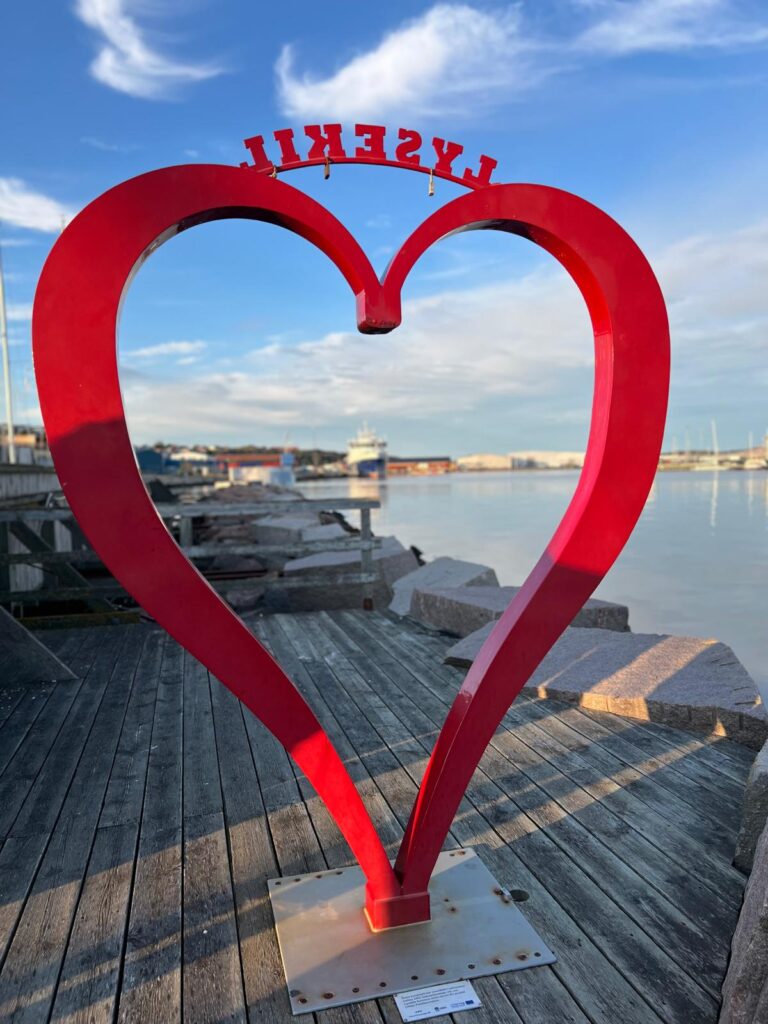
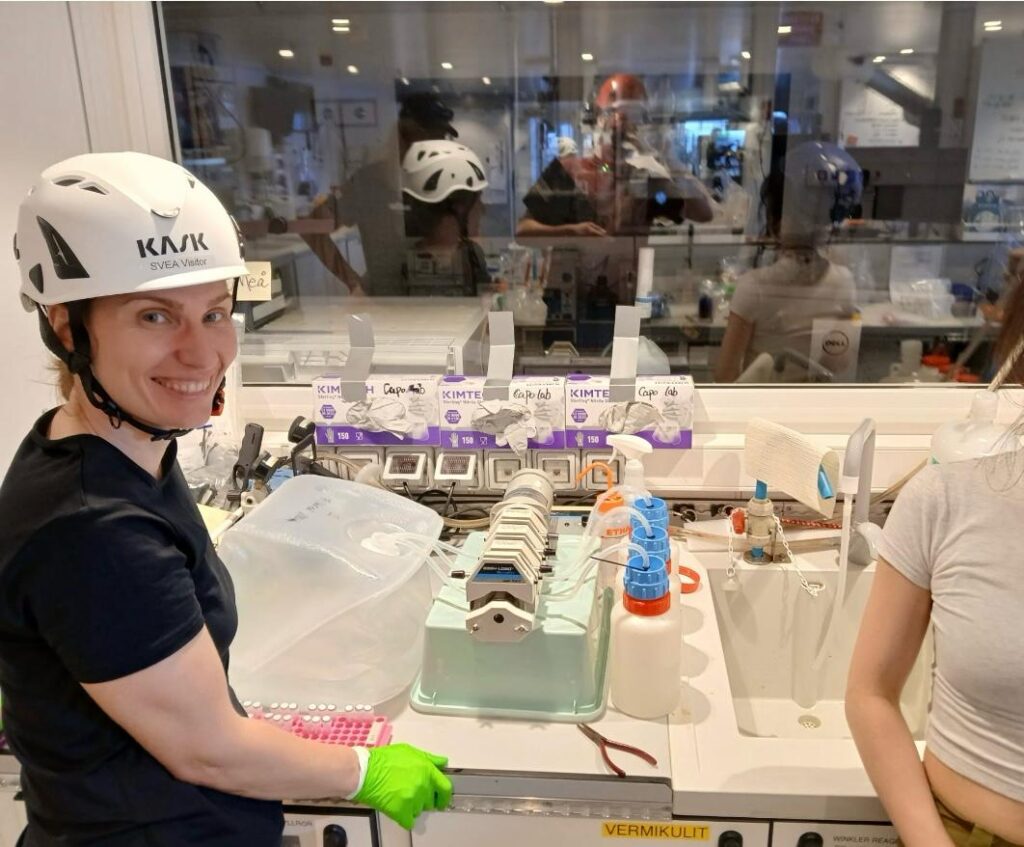
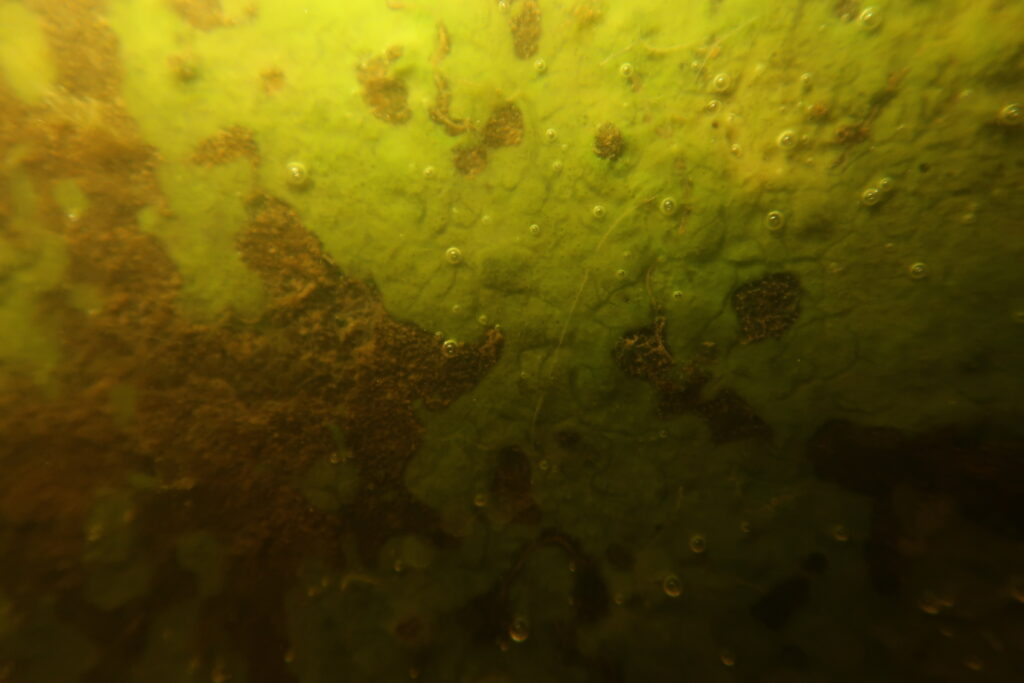
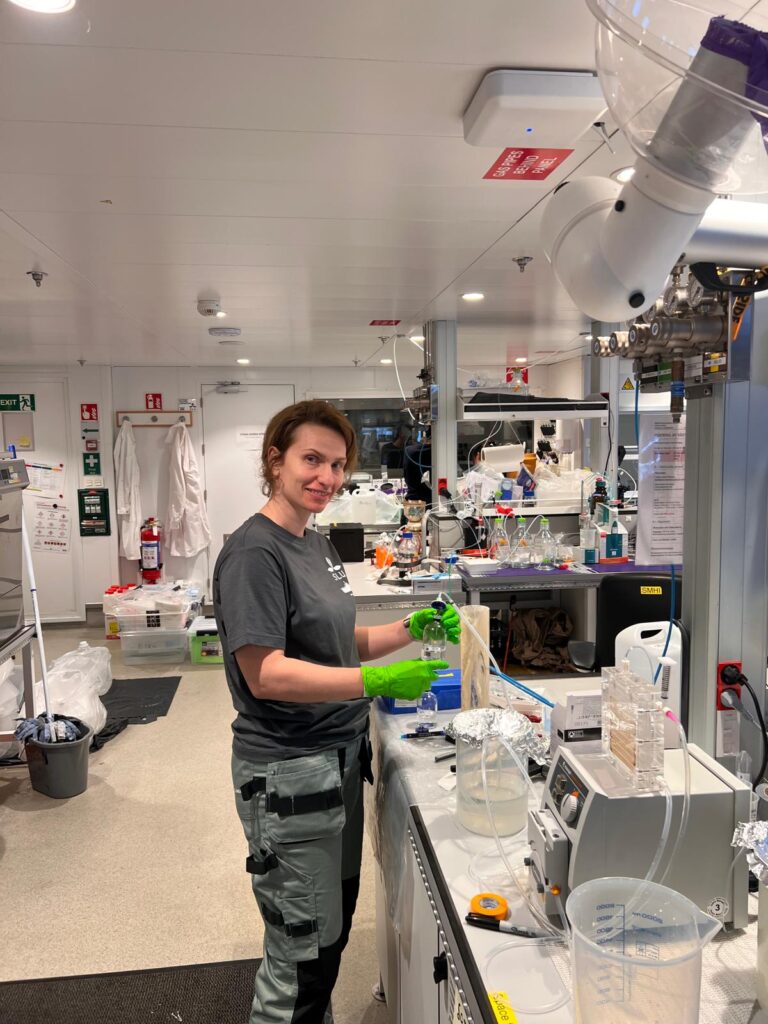
In July 2025, I embarked on an expedition aboard SVEA, the SLU research vessel, to explore the microbial life of the Swedish fjords. Our mission: to investigate how eukaryotic communities shift across oxic, hypoxic, and anoxic zones. This provides natural gradients that offer a natural laboratory of how life copes with low-oxygen conditions.

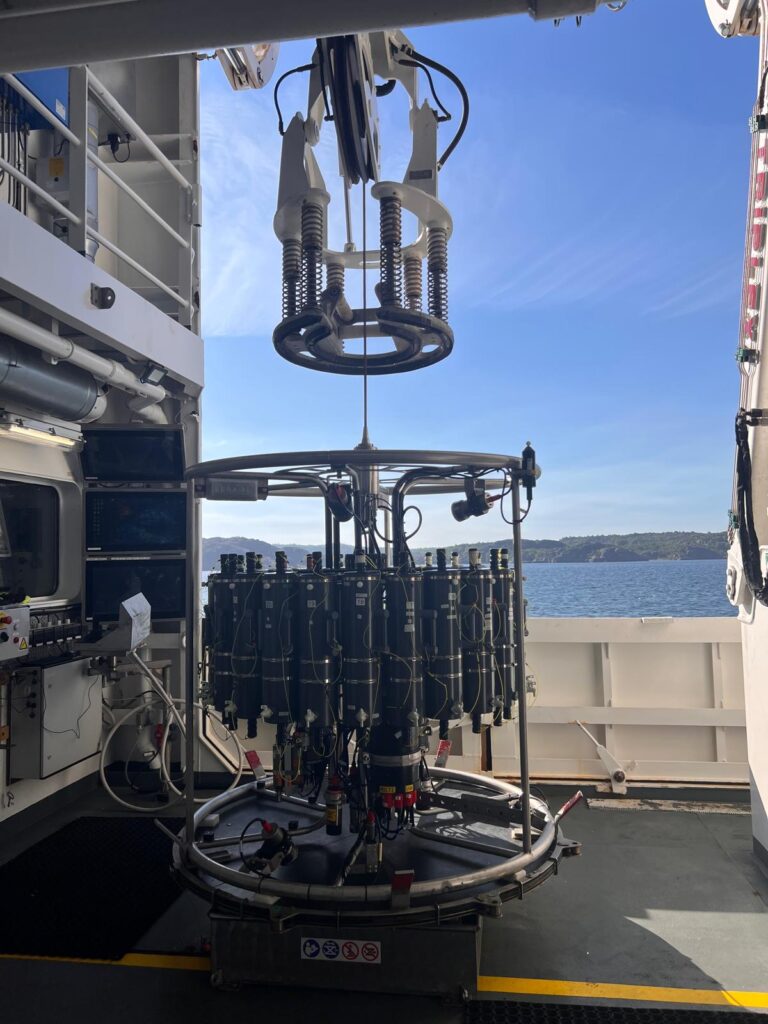
Over the course of the expedition, we collected a variety of samples using gravity cores, GMAX cores, and CTD water profiling systems, targeting both the water column and sediments across oxygen transitions. These samples will allow us to track changes in microbial eukaryote diversity and function along the redox gradient.

We will apply amplicon sequencing to identify community composition, and use metatranscriptomics to determine which genes are actively expressed under varying oxygen gradients. This will help us uncover how protists and other microbial eukaryotes adapt their metabolism and interactions in response to oxygen loss, critical knowledge in a warming world where hypoxia and anoxia are on the rise.

We are excited to dive into the data and share what we discover.
SORTEE 2025 Conference

By Sofia Paraskevopoulou

The Society for Open, Reliable, and Transparent Ecology and Evolutionary biology (SORTEE) is a grassroots organization dedicated to improving how science is practiced and shared. SORTEE’s mission is to promote open science, reproducibility, and a more collaborative and equitable research culture in ecology and evolution.

As part of this mission, the SORTEE Conference is anything but traditional. Designed to be virtual, accessible, and community-driven, the conference prioritizes meaningful interaction over passive attendance. Instead of long lecture-style sessions, the program is built around three core formats:

  • Unconferences: informal discussions around a specific topic.
  • Hackathons: collaborative sessions for building tools, resources, or ideas.
  • Workshops: practical, skill-based sessions covering topics like open data, and pre-registration.

This structure not only encourages active engagement, but also ensures that the conference remains inclusive across career stages, geographic regions, and disciplines. Low-cost registration, flexible scheduling across time zones, and a strong focus on Diversity, Equity, and Inclusion (DEI) make it easier for more voices to be heard.

Being part of SORTEE and its conference committee has shown me that scientific gatherings can be more equitable, more interactive, and more effective. I am very proud of this effort.

You can find more information about the upcoming SORTEE 2025 conference program here. For registration please visit the official website sortee.org.

A Freshwater Sponge Expedition in Skåne

by Sofia Paraskevopoulou

When most people hear the word sponge, they think of SpongeBob or marine species found in coral reefs. But freshwater sponges, though less famous, are just as fascinating and ecologically important. While a recent study expanded our knowledge of freshwater sponge diversity in Sweden, southern regions like Skåne remain largely unexplored.

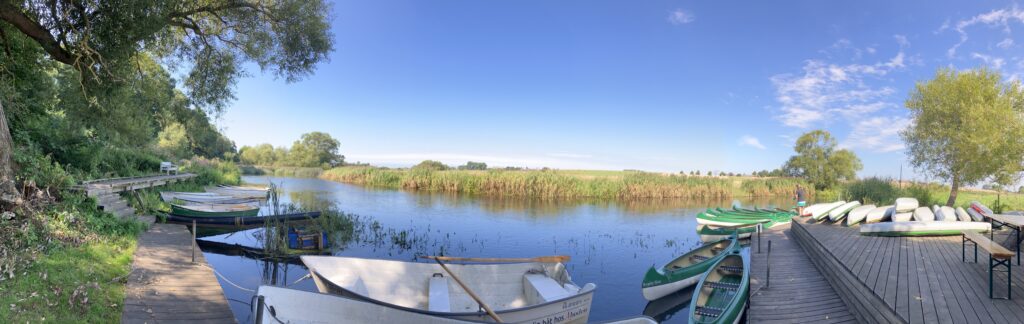
In July 2024, our research team from Lund University (Raquel, Viktor, and me) set out on a field expedition across Skåne with a clear goal: to uncover the hidden diversity of freshwater sponges in this understudied part of the country.

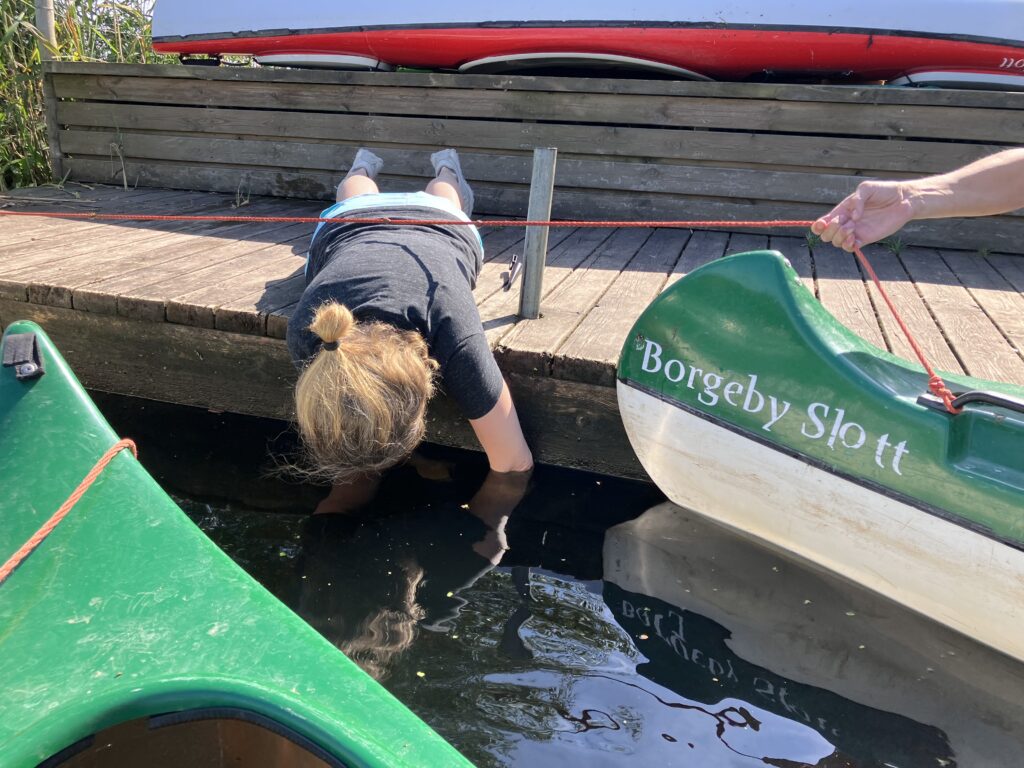
Armed with GPS devices, sampling equipment, and a large dose of curiosity, we visited lakes, ponds, and slow-moving streams across southern Sweden. From each site, we collected sponge samples and recorded key environmental variables such as pH, water temperature, and substrate type.

Back in the lab, we’re now working on identifying the collected species using a combination of morphological techniques and molecular tools. One of our main research questions is how these sponge species are distributed across freshwater to brackish environments, and whether lateral gene transfer (LGT) from microbial symbionts plays a role in helping them adapt to different ecological conditions.

Protistology Nordics 2023: Exploring the Depths of Protistology

by Sofia Paraskevopoulou

On May 2, 2024, Protistology Nordics came to life in Lund, Sweden, bringing together 35 researchers from across the Nordic region to celebrate and advance the study of protists—our fascinating and often-overlooked microbial eukaryotes. Hosted in the historic setting of Kulturen, the conference offered a full day of cutting-edge science, collaboration, and inspiration.

The program opened with Mahwash Jamy (SLU), who highlighted the power of long-read sequencing in unraveling protist diversity and evolution. She was followed by Micah Dunthorn (University of Oslo), who explored the ongoing challenge of estimating the number of free-living ciliate species. Megan Gross (RPTU Kaiserslautern-Landau) introduced digital PCR as a precise tool for measuring ciliate abundance, while Yash Pardasani (Uppsala University) presented exciting research on Paulinella amoebas and the origin of photosynthetic eukaryotes.

The afternoon featured talks from Staffan Svärd on the dual identity of Giardia, and Jon Jerlström Hultqvist, who shared structural insights into protist symbiosis. Courtney Stairs (Lund University) closed the session with a compelling talk on protist adaptations to anaerobic environments.

The day ended with a walk through Kulturen’s open-air museum, grounding our microbial discussions in the cultural landscape of Skåne. Awards for Best Oral Presentation and Best Flash Talk went to Yash Pardasani and Nina Pohl, respectively.

You can see pictures and relevant material in this link.

Sparking Curiosity and Unveiling the Microscopic World

by Sofia Paraskevopoulou

On May 26, 2024, I had the pleasure of organizing an outreach event in our Microbiology Lab, where we welcomed a group of enthusiastic high school students for an up-close look at the world of protists. With microscopes set up and samples collected from nearby ponds, soils, and animal stools, we set out to uncover the hidden diversity of these fascinating microbes.

Together with my colleagues, we guided the students through their first encounters with spiral algae, ciliates, and diatoms. It was incredible to watch their excitement grow as they realized how complex and dynamic these tiny organisms are.

We discussed the crucial roles protists play in ecosystem function, from nutrient cycling to symbiosis, and their relevance in environmental research. The students asked thoughtful questions and left with a deeper appreciation for the microscopic world and, hopefully, a spark of scientific curiosity.

This event was part of our lab’s ongoing effort to make science accessible and engaging for the next generation. To learn more, have a look here