Barcelona, Evolution, and Endless Inspiration: my ESEB 2025 Recap

By Sofia Paraskevopoulou

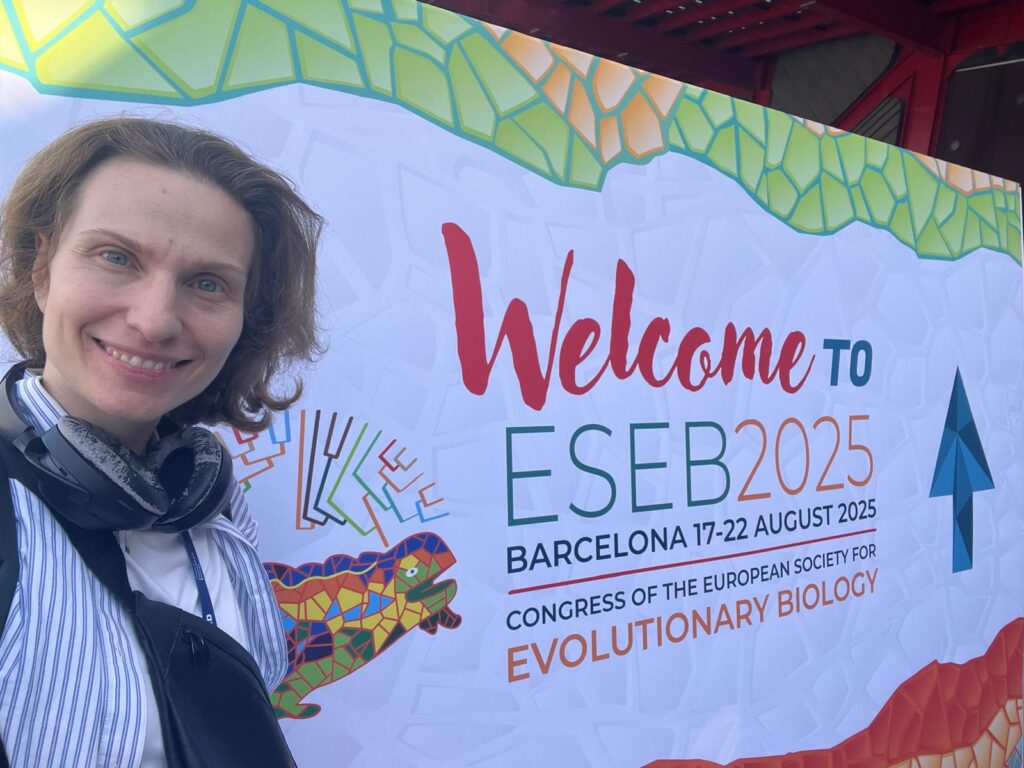
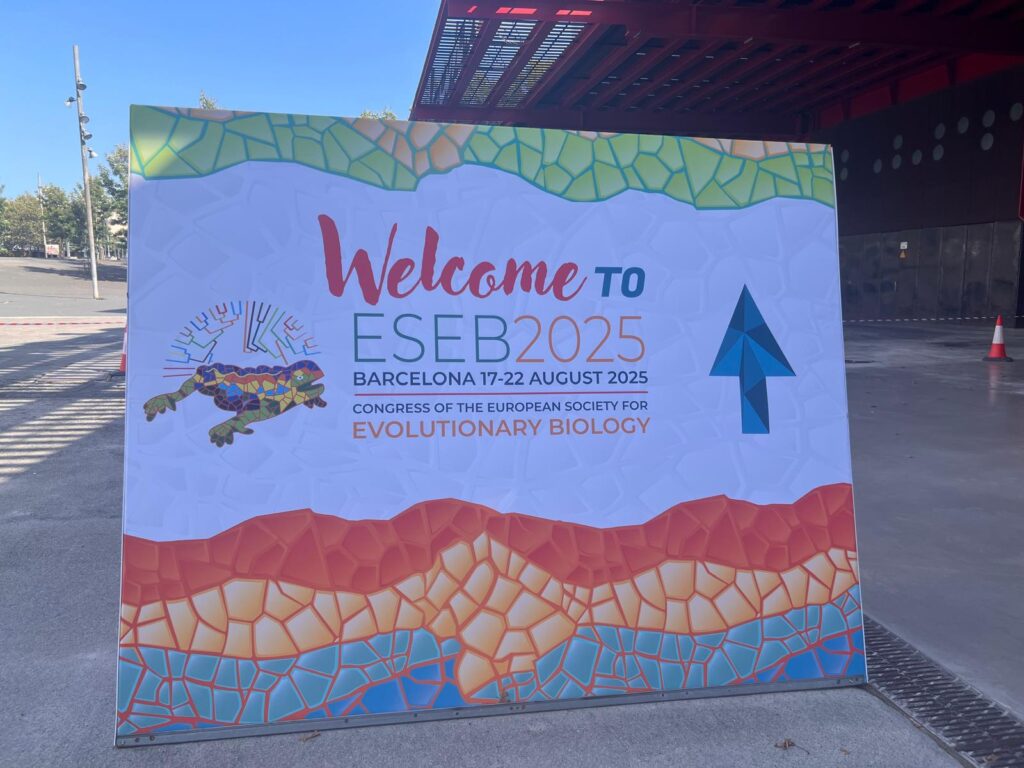
Welcome to the ESEB 2025 Congress, held at the International Convention Center in sunny Barcelona from August 17–22, 2025! It was an amazing week, a mix of catching up with old friends, collaborators, and supervisors, while also meeting new people and expanding my collaboration network. So many inspiring talks, brilliant ideas, and genuinely good science packed into one week!

As someone a bit noise-sensitive, I will admit the conference buzz was challenging at times. But, the overall good atmosphere made up for it. One of my favorite parts was the inclusivity initiatives, where researchers gathered participated in social mixers to discuss problems phased by underrepresented groups and how to make science more inclusive and approachable. The message was clear: no one should have to struggle to belong in academia!
I also had the chance to present not one, but two projects that are close to my heart:

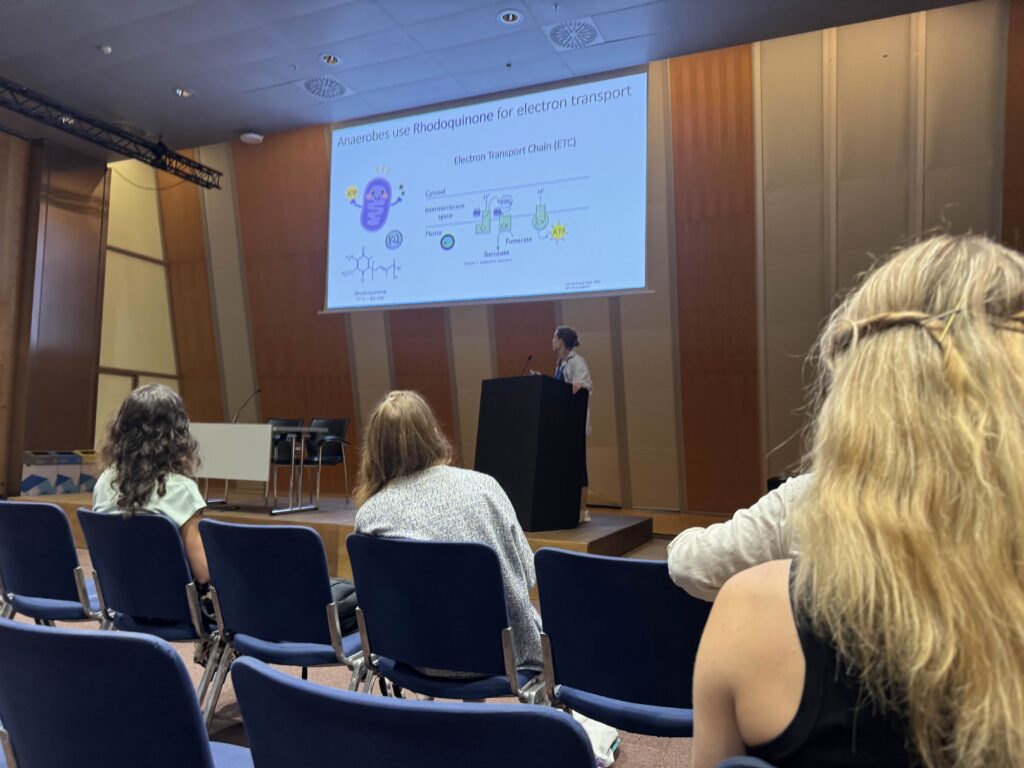
1. Symbiosis-mediated gene transfer in early-diverging Metazoan

Yes, there are sponges that live in lakes and streams! My research explores lateral gene transfer in these freshwater sponges, focusing on a molecule called Rhodoquinone, an anaerobiosis-specific cofactor. Fascinatingly, the gene for it seems to have been borrowed from protists, a rare case of gene transfer across such distant lineages! Why marine sponges lack it remains a mystery… one I am eager to solve, with support from the Crafoord Foundation.
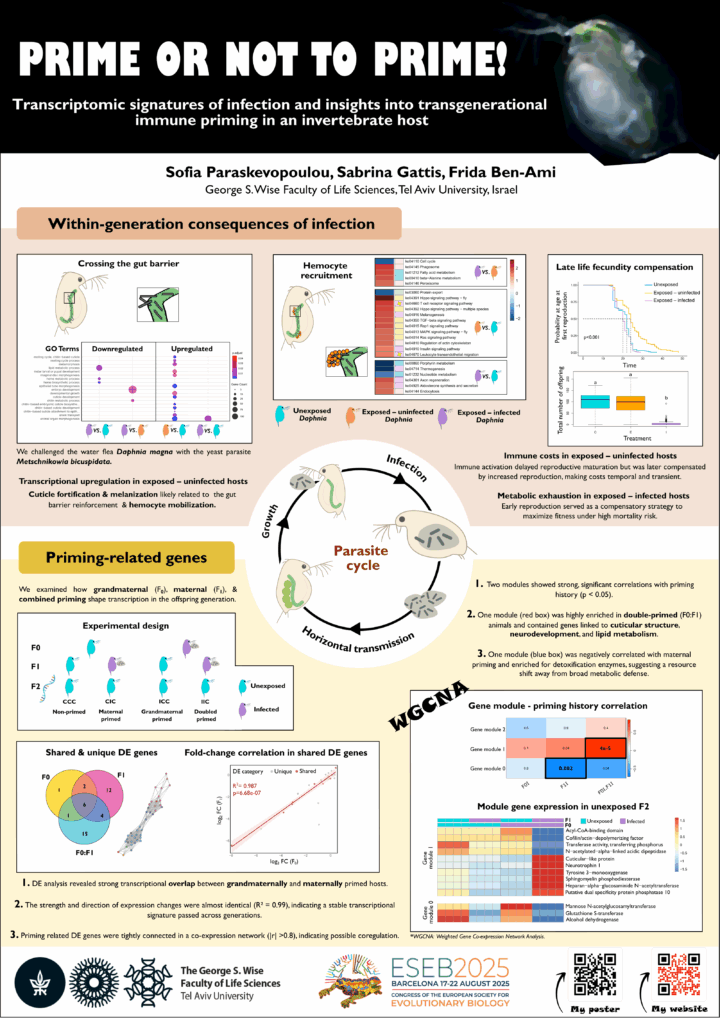
2. Transcriptomic signatures of infection and insights into transgenerational immune priming in an invertebrate host

This project dives into how invertebrates defend themselves against parasites. By examining gene expression patterns, we uncovered hints of how innate immunity and immune priming might operate across generations. Think of priming as an ancestral immune training at the molecular level.

Between the science, the sun, and the sangria, ESEB 2025 was a truly inspiring experience. Well done ESEB 2025. Looking forward the next one 🙂
SORTEE 2025 Conference

By Sofia Paraskevopoulou

The Society for Open, Reliable, and Transparent Ecology and Evolutionary biology (SORTEE) is a grassroots organization dedicated to improving how science is practiced and shared. SORTEE’s mission is to promote open science, reproducibility, and a more collaborative and equitable research culture in ecology and evolution.

As part of this mission, the SORTEE Conference is anything but traditional. Designed to be virtual, accessible, and community-driven, the conference prioritizes meaningful interaction over passive attendance. Instead of long lecture-style sessions, the program is built around three core formats:

  • Unconferences: informal discussions around a specific topic.
  • Hackathons: collaborative sessions for building tools, resources, or ideas.
  • Workshops: practical, skill-based sessions covering topics like open data, and pre-registration.

This structure not only encourages active engagement, but also ensures that the conference remains inclusive across career stages, geographic regions, and disciplines. Low-cost registration, flexible scheduling across time zones, and a strong focus on Diversity, Equity, and Inclusion (DEI) make it easier for more voices to be heard.

Being part of SORTEE and its conference committee has shown me that scientific gatherings can be more equitable, more interactive, and more effective. I am very proud of this effort.

You can find more information about the upcoming SORTEE 2025 conference program here. For registration please visit the official website sortee.org.

Protistology Nordics 2023: Exploring the Depths of Protistology

by Sofia Paraskevopoulou

On May 2, 2024, Protistology Nordics came to life in Lund, Sweden, bringing together 35 researchers from across the Nordic region to celebrate and advance the study of protists—our fascinating and often-overlooked microbial eukaryotes. Hosted in the historic setting of Kulturen, the conference offered a full day of cutting-edge science, collaboration, and inspiration.

The program opened with Mahwash Jamy (SLU), who highlighted the power of long-read sequencing in unraveling protist diversity and evolution. She was followed by Micah Dunthorn (University of Oslo), who explored the ongoing challenge of estimating the number of free-living ciliate species. Megan Gross (RPTU Kaiserslautern-Landau) introduced digital PCR as a precise tool for measuring ciliate abundance, while Yash Pardasani (Uppsala University) presented exciting research on Paulinella amoebas and the origin of photosynthetic eukaryotes.

The afternoon featured talks from Staffan Svärd on the dual identity of Giardia, and Jon Jerlström Hultqvist, who shared structural insights into protist symbiosis. Courtney Stairs (Lund University) closed the session with a compelling talk on protist adaptations to anaerobic environments.

The day ended with a walk through Kulturen’s open-air museum, grounding our microbial discussions in the cultural landscape of Skåne. Awards for Best Oral Presentation and Best Flash Talk went to Yash Pardasani and Nina Pohl, respectively.

You can see pictures and relevant material in this link.