Tracing Eukaryotic Life Across Oxygen Gradients

By Sofia Paraskevopoulou

In July 2025, I embarked on an expedition aboard SVEA, the SLU research vessel, to explore the microbial life of the Swedish fjords. Our mission: to investigate how eukaryotic communities shift across oxic, hypoxic, and anoxic zones. This provides natural gradients that offer a natural laboratory of how life copes with low-oxygen conditions.

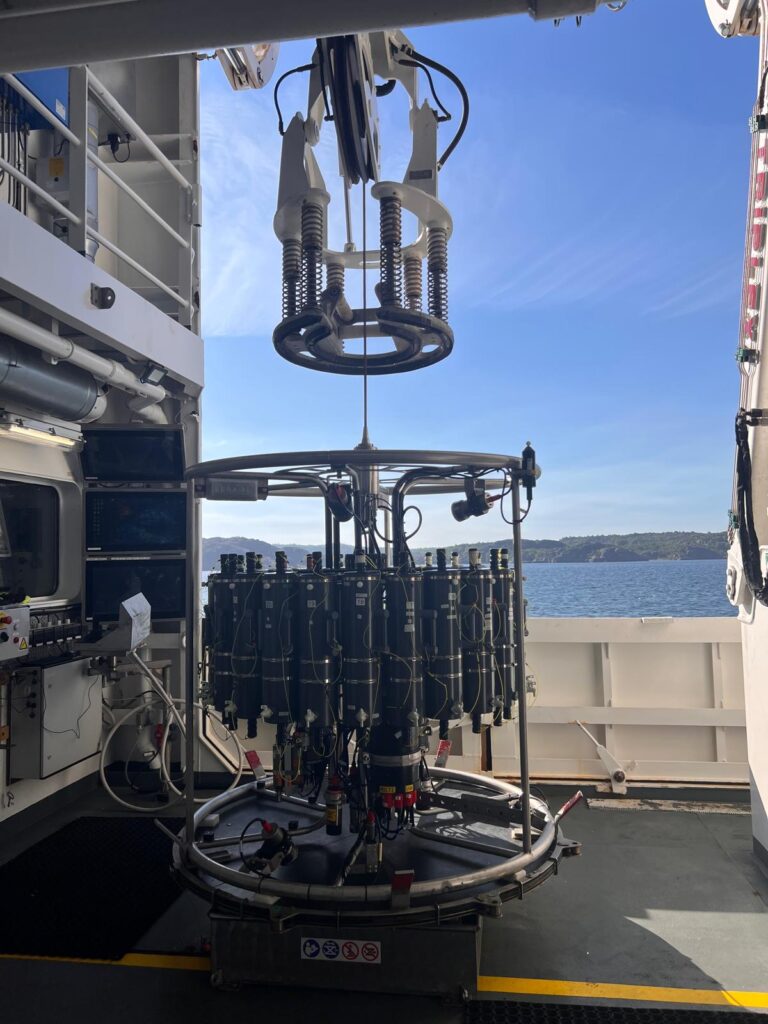
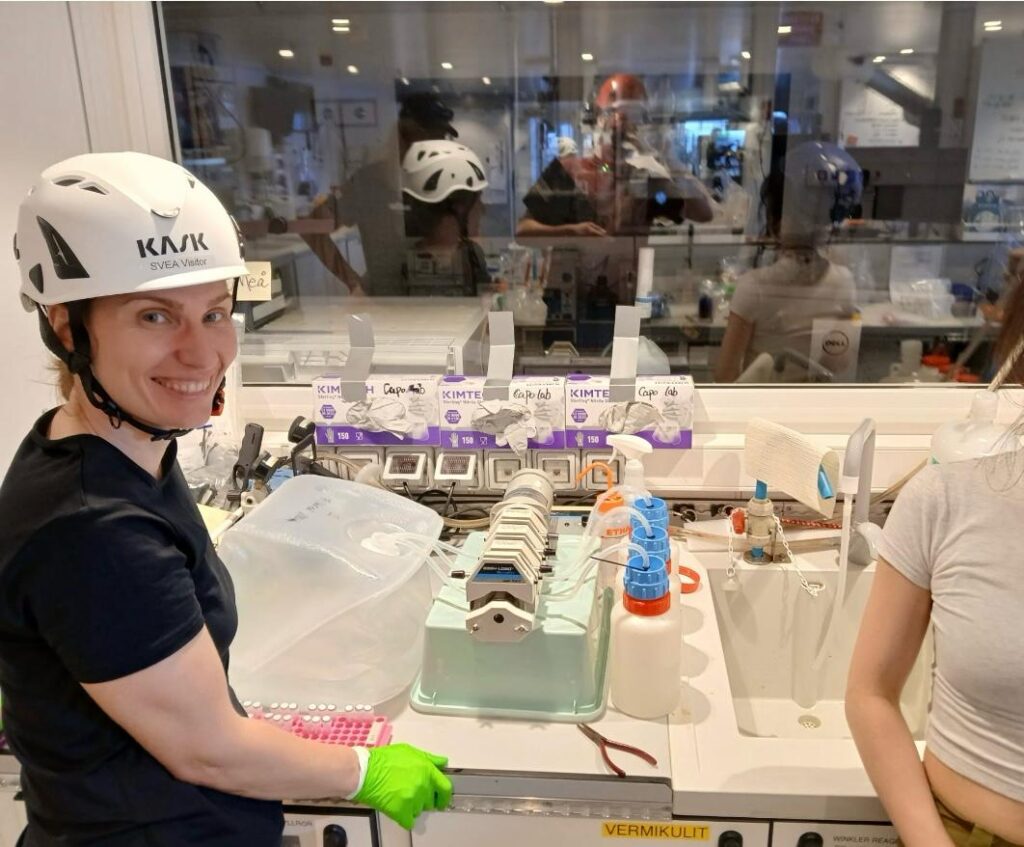
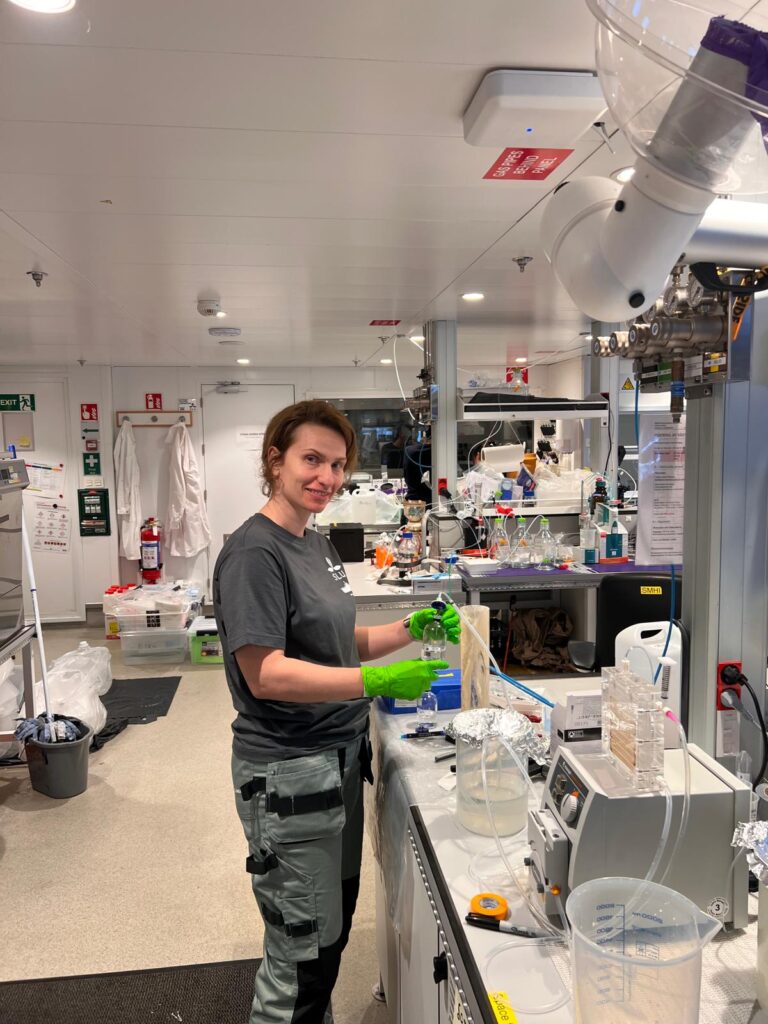
Over the course of the expedition, we collected a variety of samples using gravity cores, GMAX cores, and CTD water profiling systems, targeting both the water column and sediments across oxygen transitions. These samples will allow us to track changes in microbial eukaryote diversity and function along the redox gradient.

We will apply amplicon sequencing to identify community composition, and use metatranscriptomics to determine which genes are actively expressed under varying oxygen gradients. This will help us uncover how protists and other microbial eukaryotes adapt their metabolism and interactions in response to oxygen loss, critical knowledge in a warming world where hypoxia and anoxia are on the rise.

We are excited to dive into the data and share what we discover.
A Freshwater Sponge Expedition in Skåne

by Sofia Paraskevopoulou

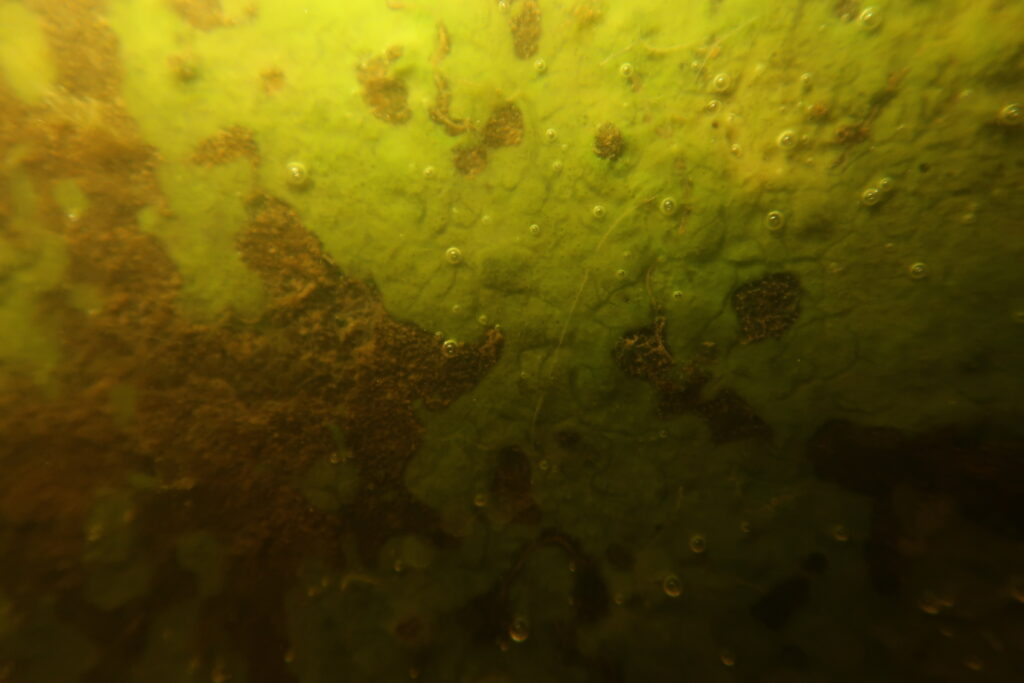
When most people hear the word sponge, they think of SpongeBob or marine species found in coral reefs. But freshwater sponges, though less famous, are just as fascinating and ecologically important. While a recent study expanded our knowledge of freshwater sponge diversity in Sweden, southern regions like Skåne remain largely unexplored.

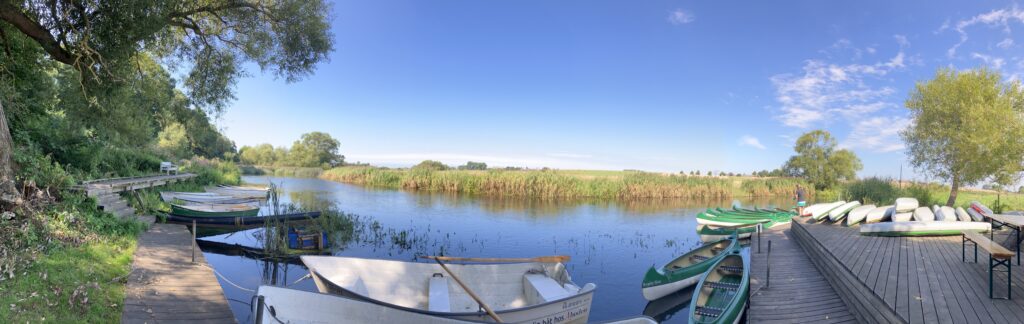
In July 2024, our research team from Lund University (Raquel, Viktor, and me) set out on a field expedition across Skåne with a clear goal: to uncover the hidden diversity of freshwater sponges in this understudied part of the country.

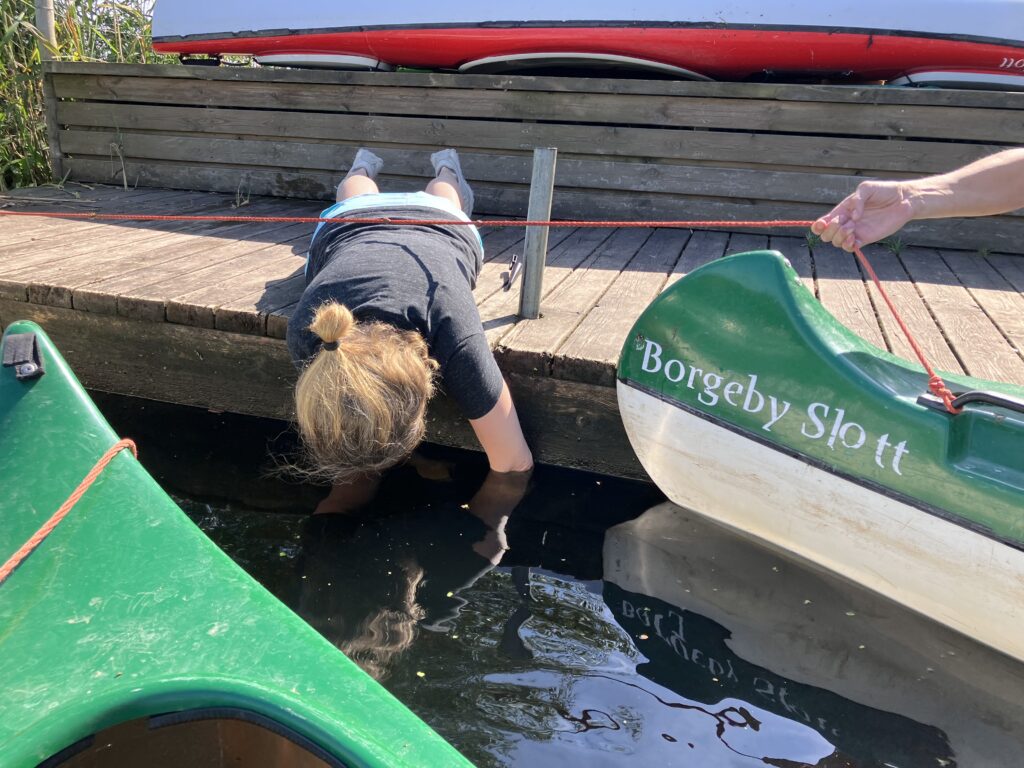
Armed with GPS devices, sampling equipment, and a large dose of curiosity, we visited lakes, ponds, and slow-moving streams across southern Sweden. From each site, we collected sponge samples and recorded key environmental variables such as pH, water temperature, and substrate type.

Back in the lab, we’re now working on identifying the collected species using a combination of morphological techniques and molecular tools. One of our main research questions is how these sponge species are distributed across freshwater to brackish environments, and whether lateral gene transfer (LGT) from microbial symbionts plays a role in helping them adapt to different ecological conditions.