Barcelona, Evolution, and Endless Inspiration: my ESEB 2025 Recap

By Sofia Paraskevopoulou

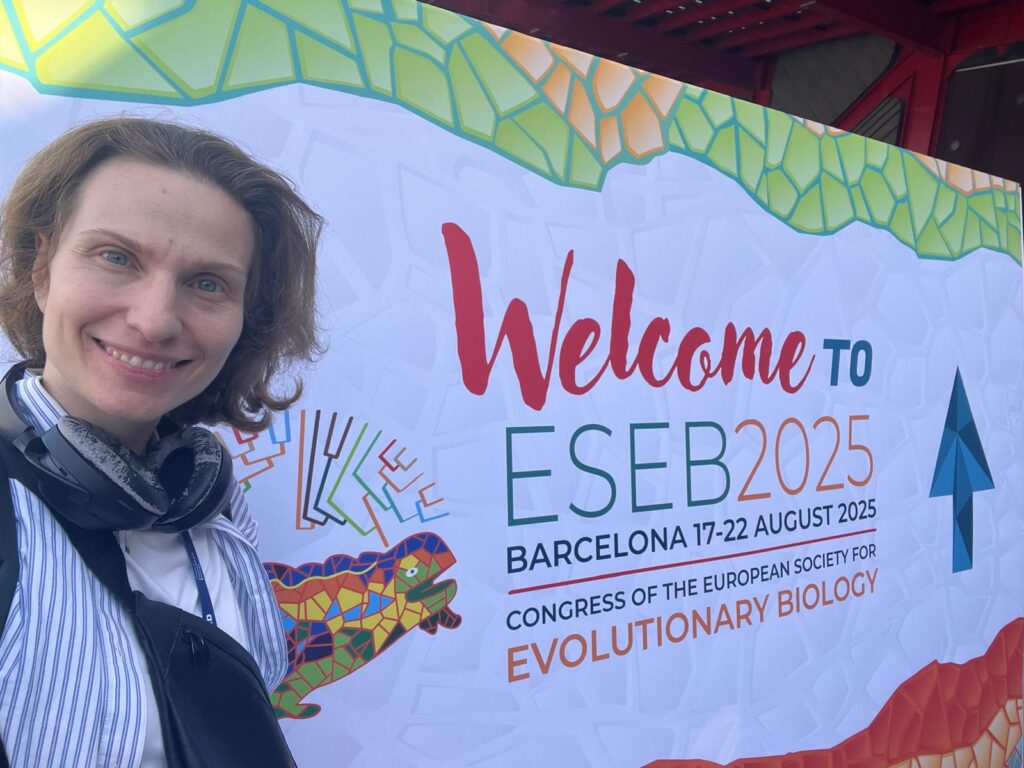
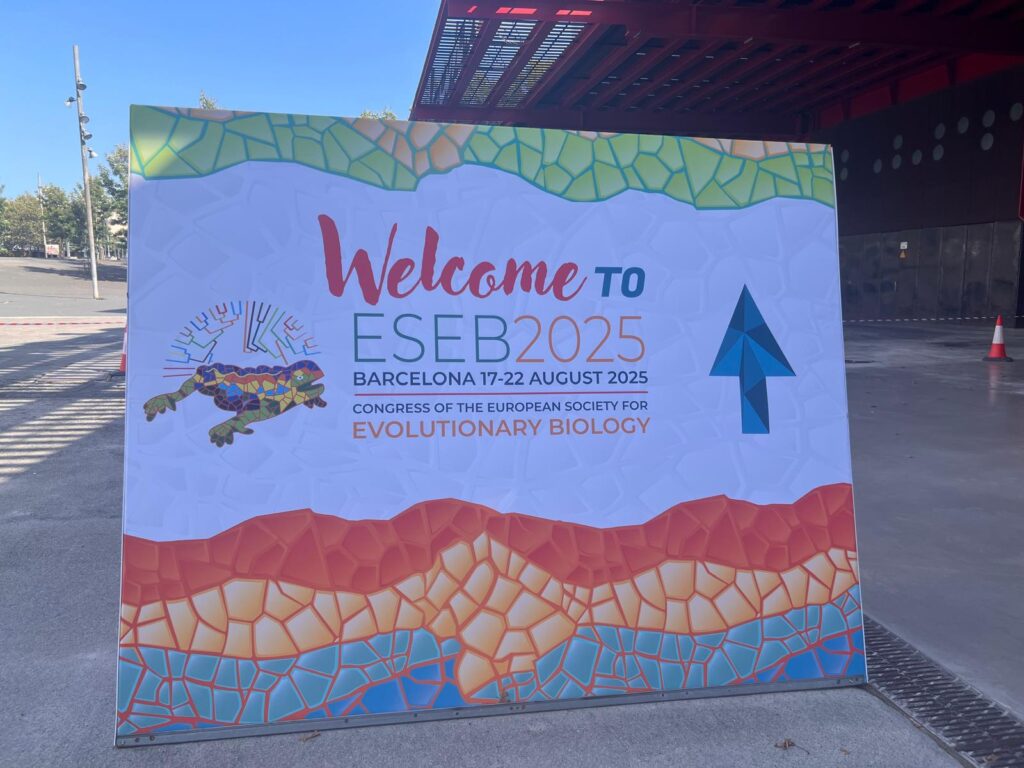
Welcome to the ESEB 2025 Congress, held at the International Convention Center in sunny Barcelona from August 17–22, 2025! It was an amazing week, a mix of catching up with old friends, collaborators, and supervisors, while also meeting new people and expanding my collaboration network. So many inspiring talks, brilliant ideas, and genuinely good science packed into one week!

As someone a bit noise-sensitive, I will admit the conference buzz was challenging at times. But, the overall good atmosphere made up for it. One of my favorite parts was the inclusivity initiatives, where researchers gathered participated in social mixers to discuss problems phased by underrepresented groups and how to make science more inclusive and approachable. The message was clear: no one should have to struggle to belong in academia!
I also had the chance to present not one, but two projects that are close to my heart:

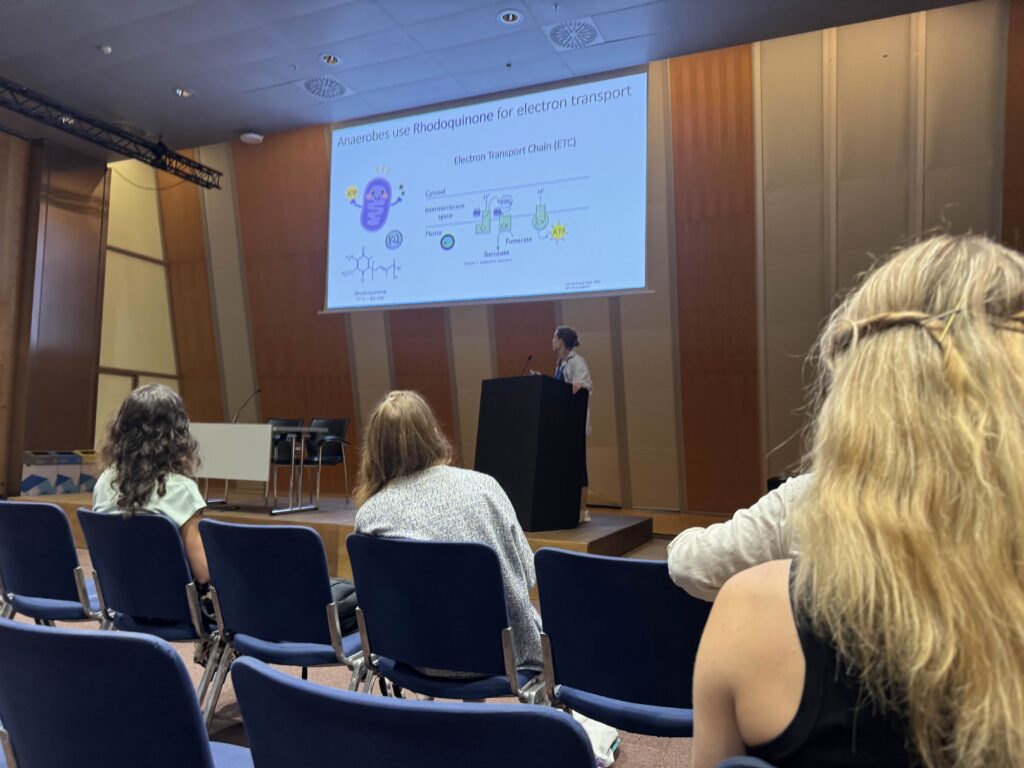
1. Symbiosis-mediated gene transfer in early-diverging Metazoan

Yes, there are sponges that live in lakes and streams! My research explores lateral gene transfer in these freshwater sponges, focusing on a molecule called Rhodoquinone, an anaerobiosis-specific cofactor. Fascinatingly, the gene for it seems to have been borrowed from protists, a rare case of gene transfer across such distant lineages! Why marine sponges lack it remains a mystery… one I am eager to solve, with support from the Crafoord Foundation.
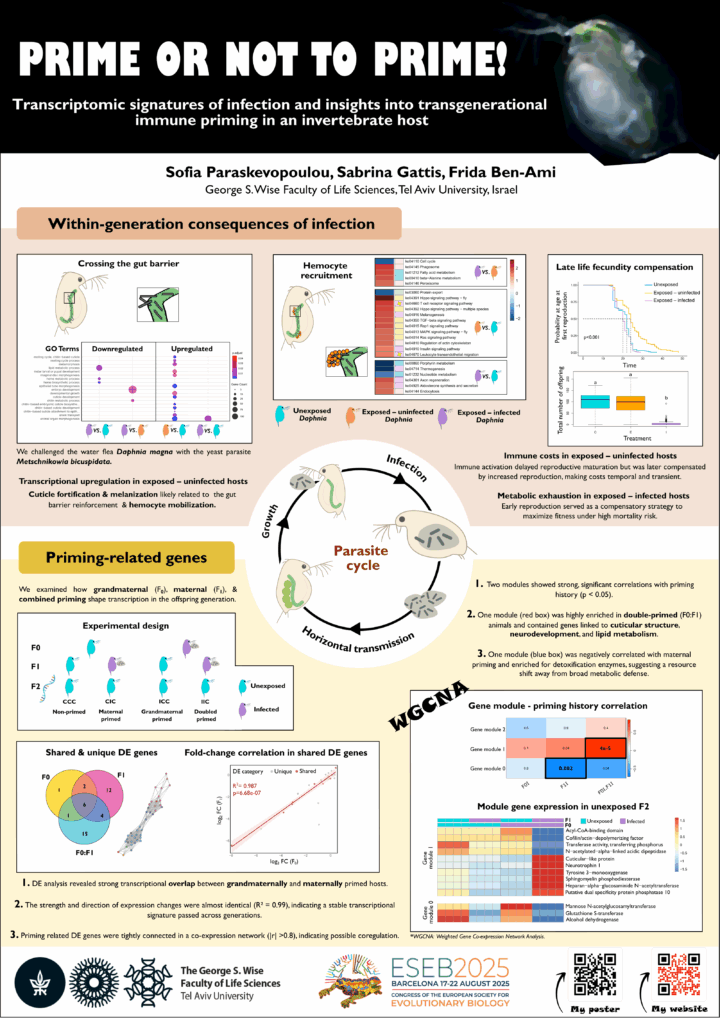
2. Transcriptomic signatures of infection and insights into transgenerational immune priming in an invertebrate host

This project dives into how invertebrates defend themselves against parasites. By examining gene expression patterns, we uncovered hints of how innate immunity and immune priming might operate across generations. Think of priming as an ancestral immune training at the molecular level.

Between the science, the sun, and the sangria, ESEB 2025 was a truly inspiring experience. Well done ESEB 2025. Looking forward the next one 🙂
A Freshwater Sponge Expedition in Skåne

by Sofia Paraskevopoulou

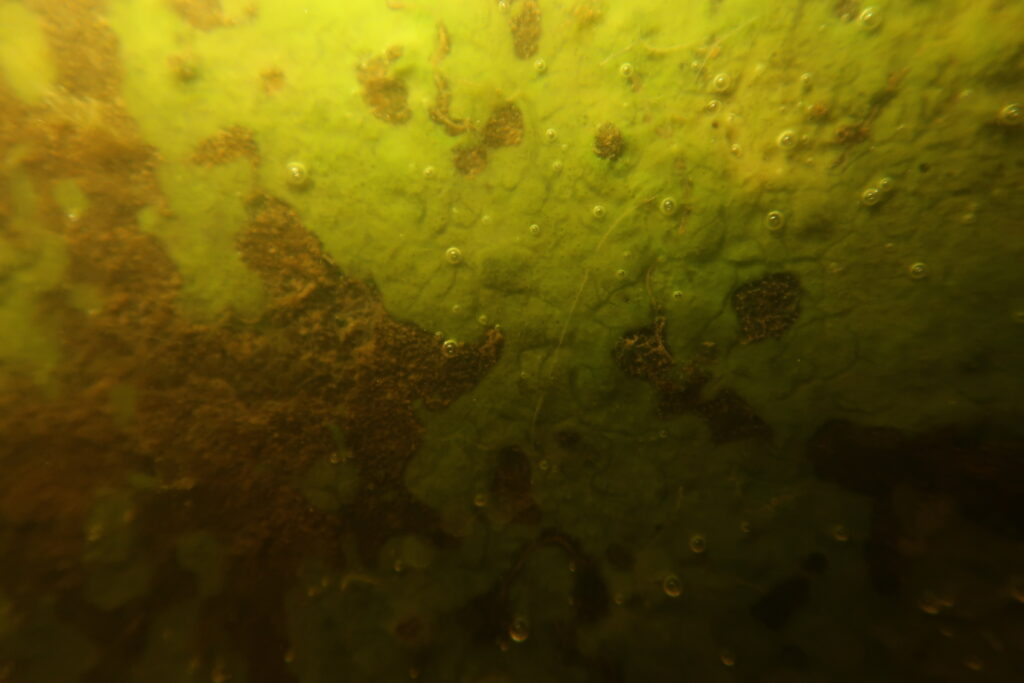
When most people hear the word sponge, they think of SpongeBob or marine species found in coral reefs. But freshwater sponges, though less famous, are just as fascinating and ecologically important. While a recent study expanded our knowledge of freshwater sponge diversity in Sweden, southern regions like Skåne remain largely unexplored.

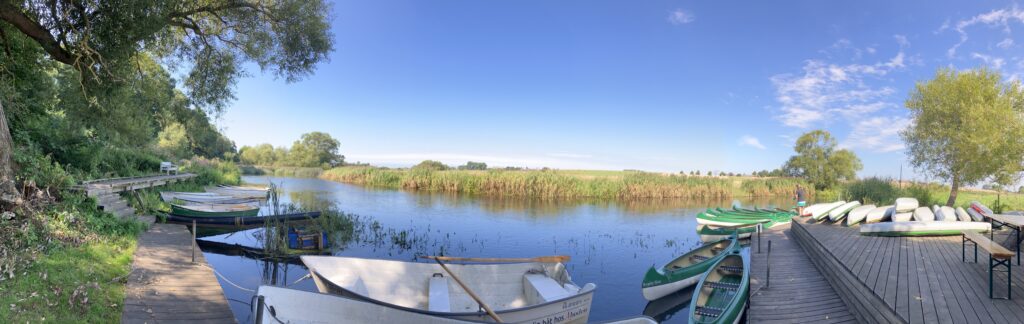
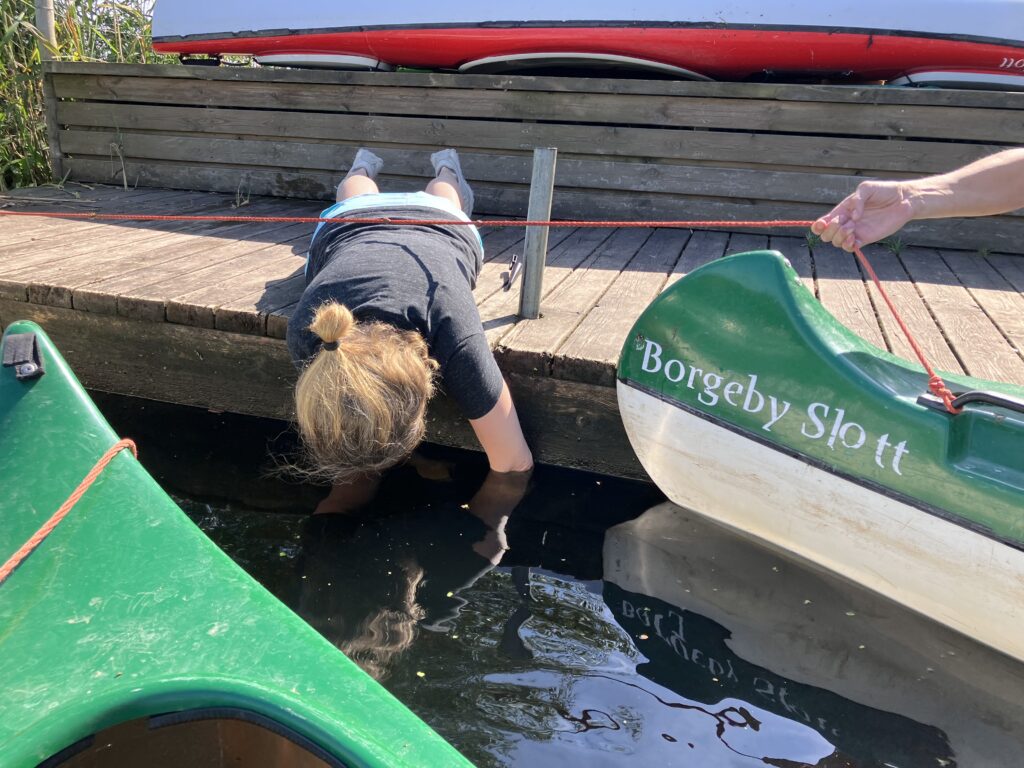
In July 2024, our research team from Lund University (Raquel, Viktor, and me) set out on a field expedition across Skåne with a clear goal: to uncover the hidden diversity of freshwater sponges in this understudied part of the country.

Armed with GPS devices, sampling equipment, and a large dose of curiosity, we visited lakes, ponds, and slow-moving streams across southern Sweden. From each site, we collected sponge samples and recorded key environmental variables such as pH, water temperature, and substrate type.

Back in the lab, we’re now working on identifying the collected species using a combination of morphological techniques and molecular tools. One of our main research questions is how these sponge species are distributed across freshwater to brackish environments, and whether lateral gene transfer (LGT) from microbial symbionts plays a role in helping them adapt to different ecological conditions.

Sparking Curiosity and Unveiling the Microscopic World

by Sofia Paraskevopoulou

On May 26, 2024, I had the pleasure of organizing an outreach event in our Microbiology Lab, where we welcomed a group of enthusiastic high school students for an up-close look at the world of protists. With microscopes set up and samples collected from nearby ponds, soils, and animal stools, we set out to uncover the hidden diversity of these fascinating microbes.

Together with my colleagues, we guided the students through their first encounters with spiral algae, ciliates, and diatoms. It was incredible to watch their excitement grow as they realized how complex and dynamic these tiny organisms are.

We discussed the crucial roles protists play in ecosystem function, from nutrient cycling to symbiosis, and their relevance in environmental research. The students asked thoughtful questions and left with a deeper appreciation for the microscopic world and, hopefully, a spark of scientific curiosity.

This event was part of our lab’s ongoing effort to make science accessible and engaging for the next generation. To learn more, have a look here